
Treatment
Children's dentistry in Chandragiri
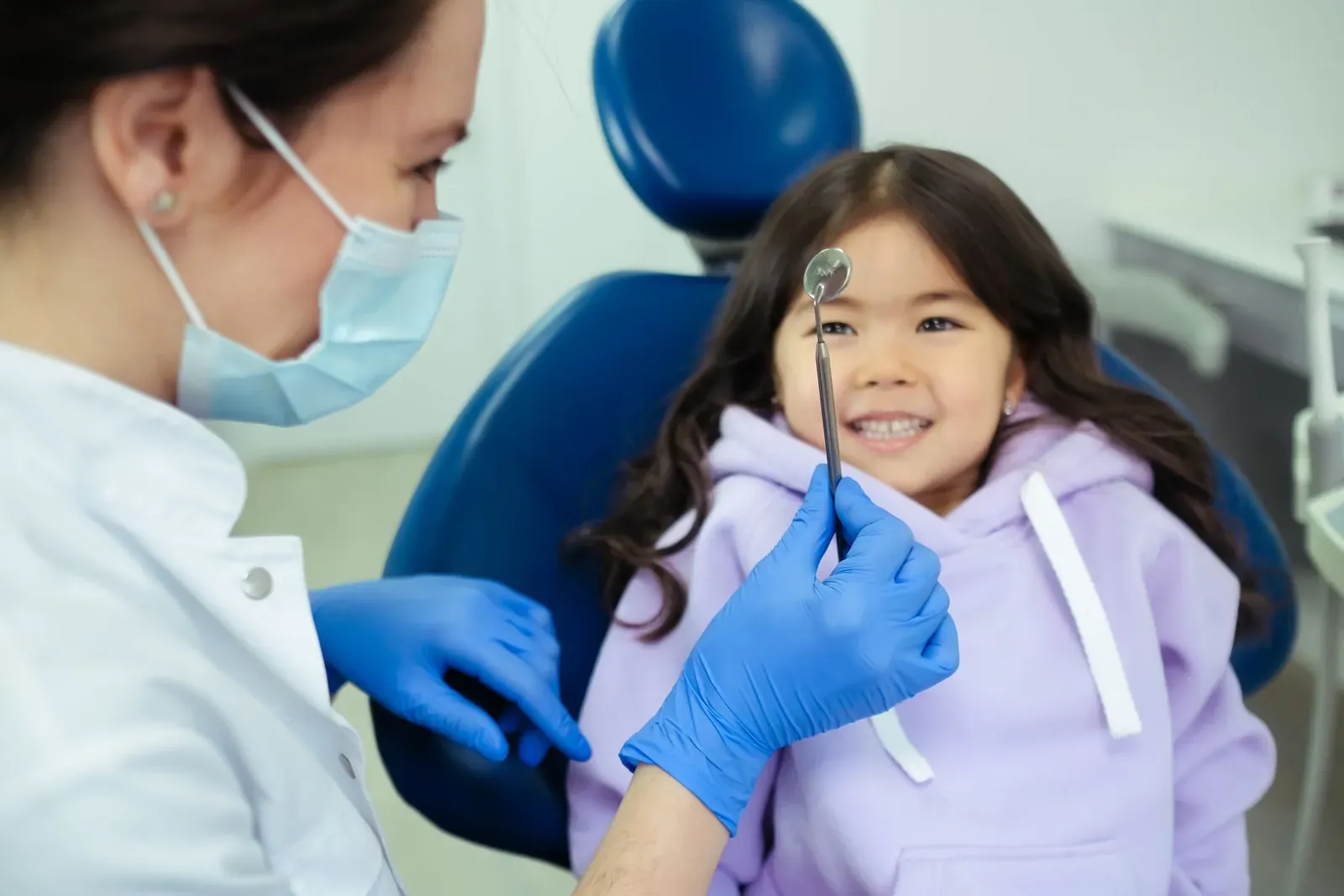
Children are not small adults, and treating them well is mostly about pace and explanation. A pediatric dentist is trained in both, alongside the clinical differences: milk teeth have thinner enamel and proportionally larger nerves, so decay reaches the pulp far faster than in an adult tooth, and early bite problems are easier to guide than to correct later. The first visit matters more than the treatment does. A child who is rushed or frightened at three carries that into adulthood, which is why a first appointment here is usually short, unhurried and largely about letting them sit in the chair and look at the instruments. Prevention does most of the work at this age: brushing technique, what they drink and how often, and sealants, a thin protective coating painted onto the back teeth, where most childhood cavities begin.
Medically reviewed by Dr. Binaya Bhandari, Owner and Dental Surgeon, NMC 20701. Last updated .
When do you need this treatment?
- Your child has never had a dental check-up
- A dark spot or hole in a milk tooth
- Your child complains of pain while eating
- Adult teeth are coming in crooked, or behind the milk teeth
What happens during your visit?
- 1A short, unhurried first visit so the child gets used to the chair
- 2Examination of the milk and adult teeth and the way they are coming through
- 3Treatment only where it is needed, explained to both the child and the parent
- 4Prevention advice: brushing technique, diet, and whether sealants would help
What happens if you leave it untreated?
Decay in milk teeth is not harmless just because the teeth fall out anyway. An infected milk tooth is painful, can damage the adult tooth forming underneath it, and losing one early lets the neighbouring teeth drift into the space, which causes crowding when the adult tooth tries to come through.
What is recovery like?
Most children's treatment is quick and needs no recovery. After a filling with local anaesthetic, watch that they do not bite or chew the numb lip or cheek for the hour or two it takes to wear off, which is the most common cause of a sore mouth afterwards.
General guidance only. Your own recovery depends on your case, and the dentist treating you will tell you what to expect.
Questions you might have
Pediatric Dental Care
At what age should a child first see a dentist?
The usual guidance is by the first birthday, or within six months of the first tooth appearing. That visit is not really about treatment. It is about spotting early problems and getting the child comfortable in the chair before anything needs doing.
Do decayed milk teeth need treating if they fall out anyway?
Usually yes. Milk teeth hold space for the adult teeth behind them, and an infected one is painful and can affect the developing adult tooth underneath. The decision depends on how close that particular tooth is to falling out naturally.
How do I prepare an anxious child for the visit?
Keep the description short and neutral, avoid words like pain, needle or drill even when reassuring, and book early in the day before they are tired. Tell us at booking that they are nervous, so the first visit can be kept to a look and a count.
Who does this
The dentist who handles this treatment
All Nepal Medical Council registered. Call ahead to confirm which of them is in on the day you want to come.

Dr. Subhani Vaidhya
Pediatric Dentist
BDS, MDS
NMC 20712
Thinking about Pediatric Dental Care?
Send us a message describing the problem. We will tell you whether this is the right treatment for it.
Check-up and consultation are free