
Treatment
Dentures, full and partial
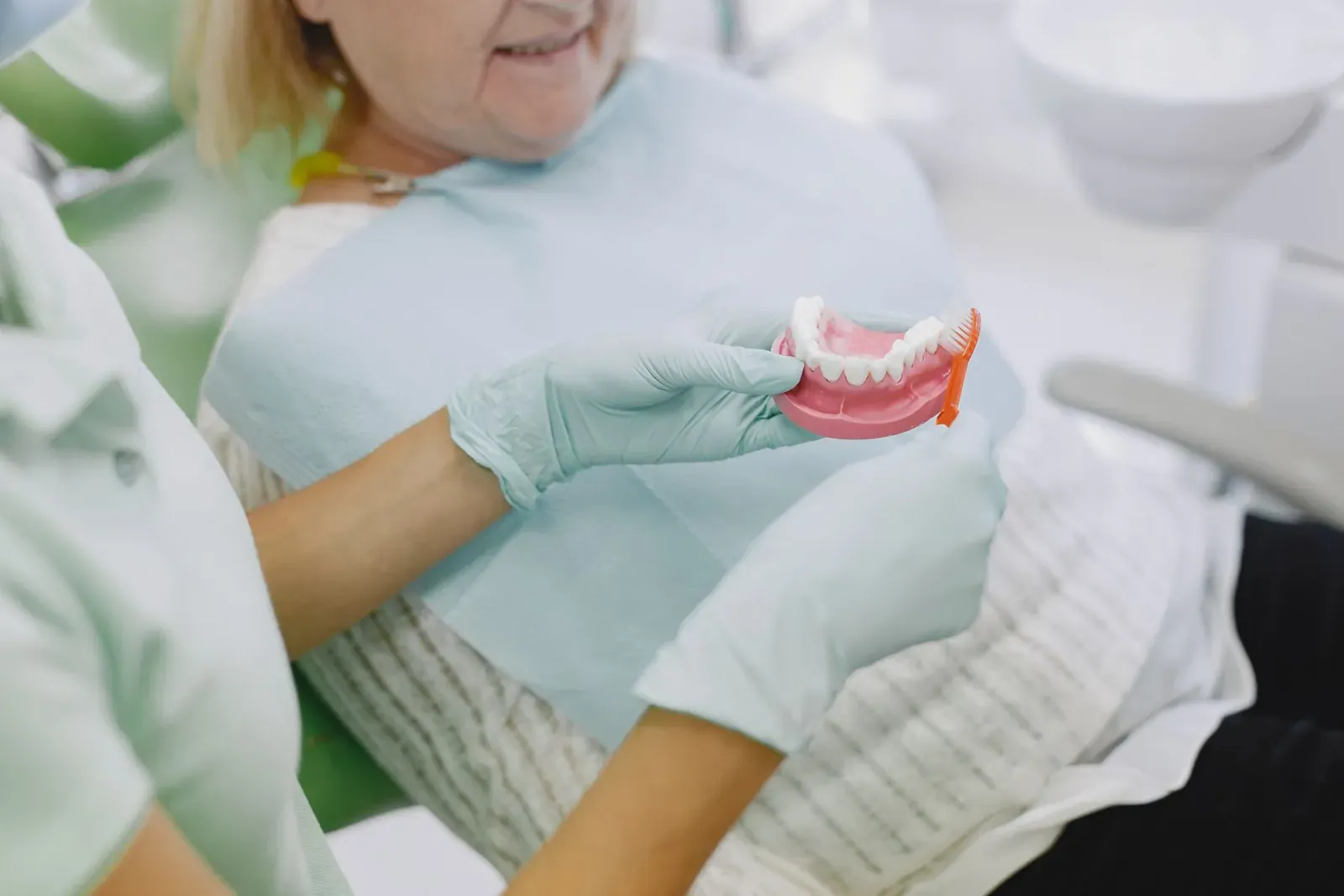
Dentures replace missing teeth with a removable appliance: a partial denture where some natural teeth remain, a full denture where none do. They are the least invasive option for replacing several teeth, need no surgery, and are usually the most affordable, which is why they remain the most common solution worldwide. Fit is everything. A well-made denture is measured, trialled, adjusted and reviewed rather than handed over in a single visit, and the trial stage exists so the look and the bite can be changed before anything is finalised. Expect an adjustment period. Speech and eating feel strange for the first few weeks while the tongue and cheeks learn the new shape, and sore spots in the first days are normal and are exactly what the review appointments are for.
Medically reviewed by Dr. Binaya Bhandari, Owner and Dental Surgeon, NMC 20701. Last updated .
When do you need this treatment?
- Several teeth are missing and chewing has become difficult
- An existing denture rocks, rubs or no longer fits
- Your face has changed shape since losing teeth
- Implants are not an option for you, medically or financially
What happens during your visit?
- 1Examination of the remaining teeth and the ridge underneath
- 2Impressions and bite registration
- 3A trial fitting, so the look and bite can be adjusted before it is finished
- 4Fitting and review visits, because most dentures need small adjustments early on
What happens if you leave it untreated?
Living with missing teeth changes what you can eat and puts the whole chewing load on the remaining teeth, which wears and loosens them faster. The jawbone under the gaps also continues to shrink, which is what eventually makes any denture harder to fit securely.
What is recovery like?
Expect two to four weeks of adjustment for speech and eating, and sore spots in the first week that are corrected at review visits. Start with soft food cut small. An existing denture will need relining or remaking over time as the ridge underneath changes shape.
General guidance only. Your own recovery depends on your case, and the dentist treating you will tell you what to expect.
Questions you might have
Dentures, Full & Partial
How long does it take to get used to new dentures?
Most people need two to four weeks before speech and eating feel normal, and longer for a first full denture. Sore spots in the first week are expected and are adjusted at review appointments rather than something you should endure or fix yourself.
Why has my denture become loose over time?
The bone ridge underneath shrinks steadily once teeth are gone, so a denture that fitted well a few years ago no longer matches the shape it sits on. This is normal and is usually solved by relining the existing denture rather than making a new one.
Can dentures be made more stable with implants?
Yes. A small number of implants can retain a denture so it clips into place rather than resting on the gum, which improves stability and chewing considerably. It needs enough bone, so it is assessed with an X-ray at consultation.
Who does this
The dentist who handles this treatment
All Nepal Medical Council registered. Call ahead to confirm which of them is in on the day you want to come.
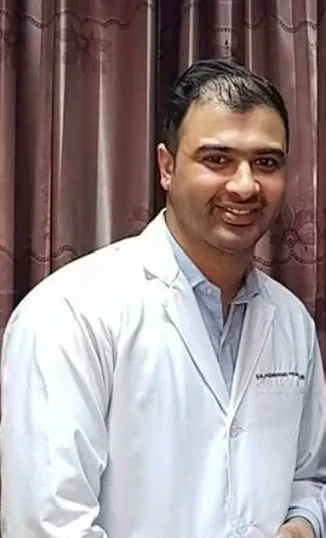
Dr. Mohammad Wolid Raja
Prosthodontist
BDS, MDS
NMC 20415
Thinking about Dentures, Full & Partial?
Send us a message describing the problem. We will tell you whether this is the right treatment for it.
Check-up and consultation are free