
Treatment
Periodontal surgery and gum grafting
When gum disease has progressed past what deep cleaning can reach, surgery gives direct access to clean the root surface and reshape the bone around it. Pockets deeper than roughly five or six millimetres cannot be cleaned reliably from above, which is why they keep re-infecting however carefully they are treated non-surgically. Grafting is a different procedure for a different problem: covering roots that have been exposed by receding gums, which reduces sensitivity and protects the root surface from decay. Both are done by a periodontist under local anaesthetic, usually one area of the mouth at a time rather than all at once. Neither is a first-line treatment. Deep cleaning and a stable home routine come first, and surgery is considered only where the pockets have not responded to that.
Medically reviewed by Dr. Binaya Bhandari, Owner and Dental Surgeon, NMC 20701. Last updated .
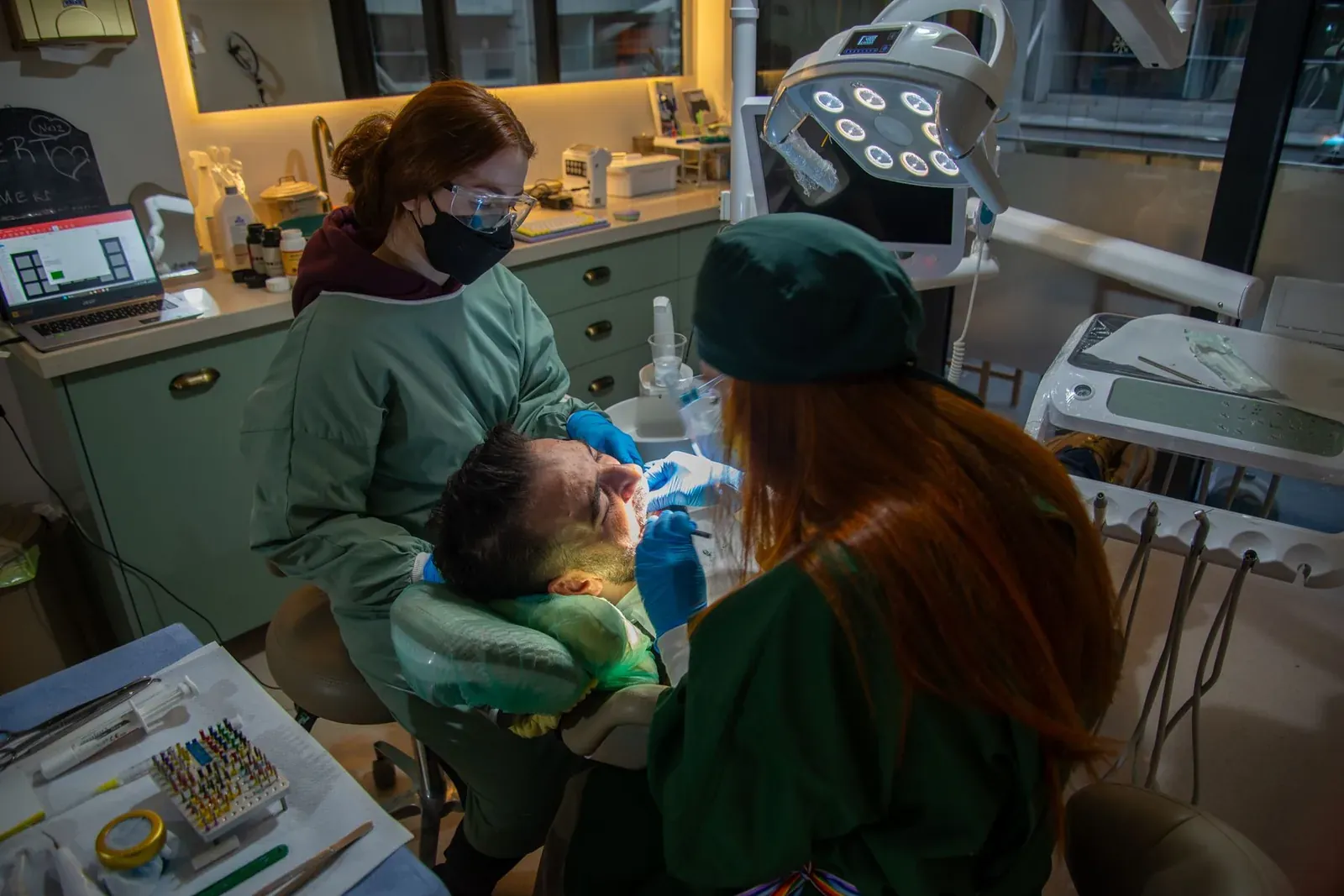
When do you need this treatment?
- Deep gum pockets that did not improve after deep cleaning
- Roots exposed by receding gums, often with sensitivity
- Gum shape that makes a tooth look long or uneven
- Bone loss visible on an X-ray around one or more teeth
What happens during your visit?
- 1Assessment by the periodontist, a dentist who specialises in gums, with pocket charting and X-rays
- 2Surgery under local anaesthetic, usually one area at a time
- 3Stitches and detailed aftercare instructions
- 4Review visits, then a maintenance cleaning schedule
What happens if you leave it untreated?
Pockets that stay deep continue to lose bone, and the teeth in them loosen and are eventually lost. Exposed roots have no enamel, so they decay faster than the crown of the tooth and become increasingly sensitive to cold.
What is recovery like?
Expect swelling and discomfort for several days and soft food for one to two weeks. Stitches are usually removed or dissolve within about two weeks. You will be asked not to brush the surgical site normally at first and to use a prescribed rinse instead while it heals.
General guidance only. Your own recovery depends on your case, and the dentist treating you will tell you what to expect.
Questions you might have
Periodontal Surgery & Gum Grafting
Is gum surgery painful?
The procedure is done under local anaesthetic so you should not feel it at the time. Afterwards expect soreness and swelling for several days, usually manageable with ordinary painkillers. Most people describe it as uncomfortable rather than severely painful.
Will my gums grow back after grafting?
A graft covers exposed root with tissue taken from elsewhere in your mouth or from a donor source, so coverage is achieved surgically rather than by regrowth. How much coverage is achievable depends on how much bone remains between the teeth.
Can I avoid surgery by cleaning better?
Sometimes, and that is always tried first. Deep cleaning plus a genuinely good home routine resolves many cases. Surgery is for pockets that stay deep despite that, because no amount of brushing reaches the bottom of a seven millimetre pocket.
Who does this
The 2 dentists who handle this treatment
All Nepal Medical Council registered. Call ahead to confirm which of them is in on the day you want to come.

Dr. Simant Lamichhane
Periodontics & Implantologist
BDS, MDS
NMC 20533
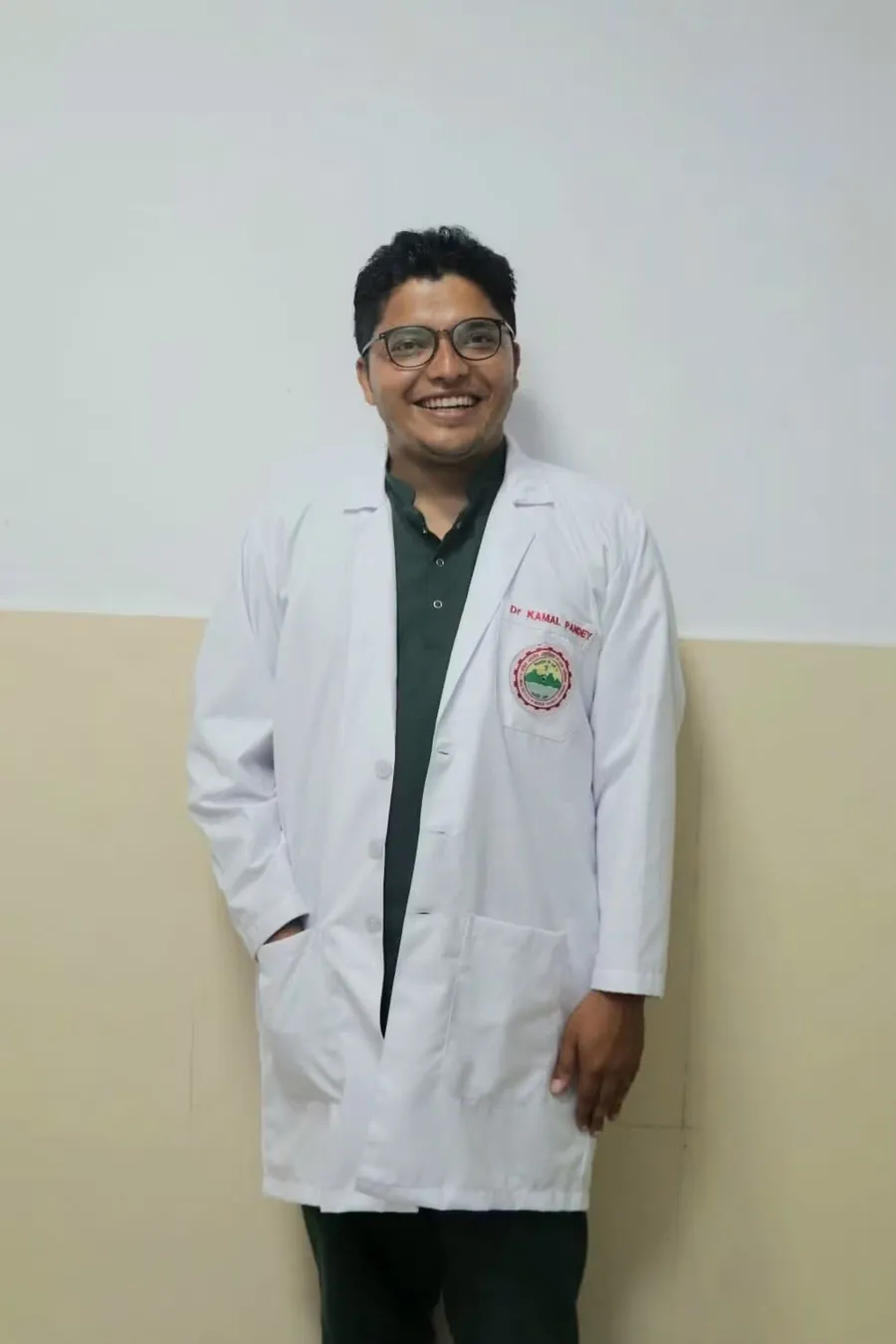
Dr. Kamal Pd. Pandey
Periodontics & Implantologist
BDS, MDS
NMC 20721
Thinking about Periodontal Surgery & Gum Grafting?
Send us a message describing the problem. We will tell you whether this is the right treatment for it.
Check-up and consultation are free