
Treatment
Oral cancer screening
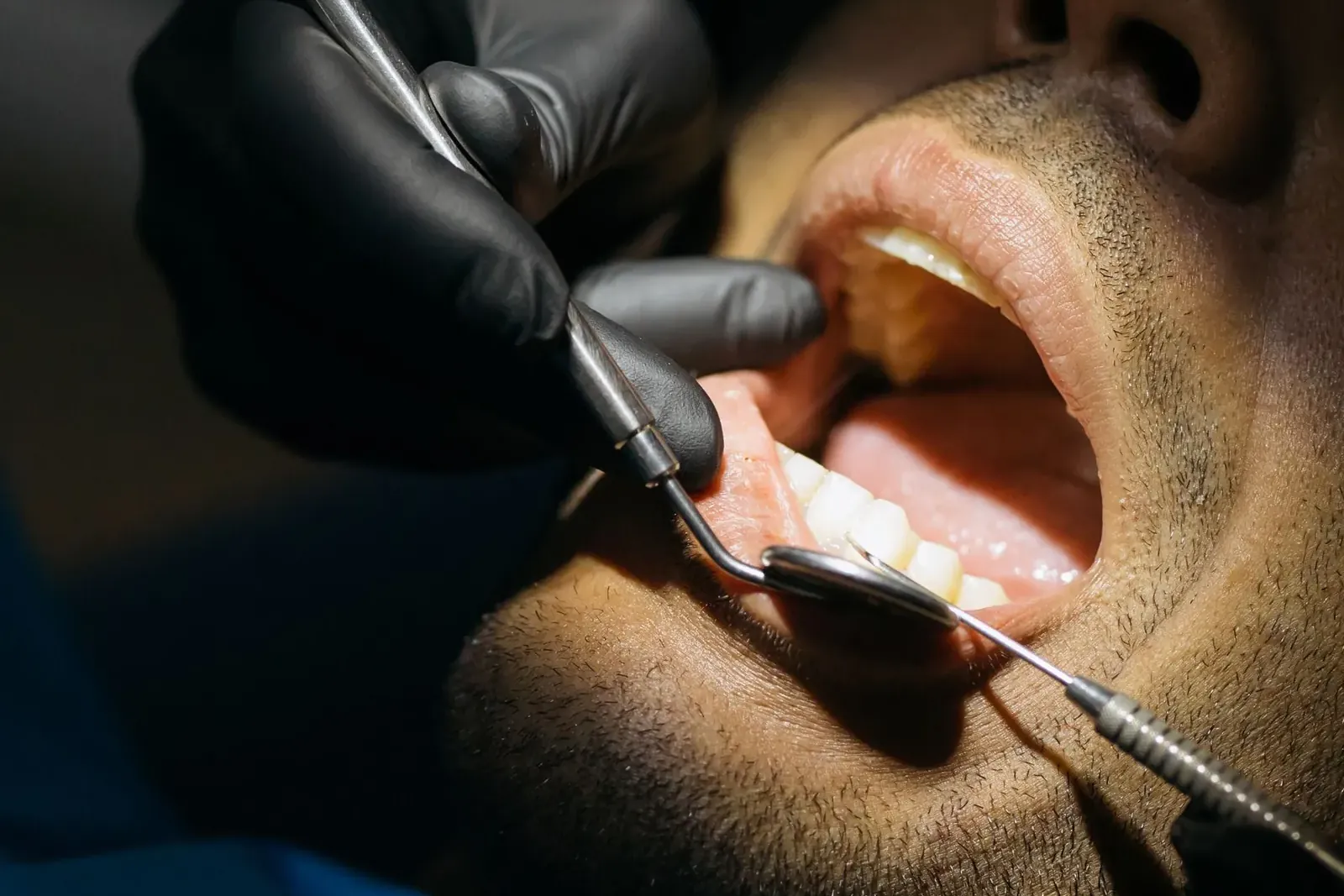
An oral cancer check is a short, painless examination of the tongue, cheeks, floor of the mouth, palate and the lymph nodes in the neck, and it is included as part of a full examination here. It matters most for people who use tobacco, paan, khaini or supari, or who drink heavily, and those habits are common enough in Nepal that this is not a rare concern. Early detection changes the outcome substantially, and the early signs are painless, which is the problem: an ulcer that does not hurt is easy to ignore for months. The rule worth remembering is two weeks. Any ulcer, white or red patch, lump or persistent hoarseness that has not resolved in two weeks should be looked at, whether or not it hurts and whether or not you use tobacco.
Medically reviewed by Dr. Binaya Bhandari, Owner and Dental Surgeon, NMC 20701. Last updated .
When do you need this treatment?
- An ulcer or sore that has not healed in two weeks
- A white or red patch inside the mouth
- A lump in the mouth or neck, or persistent hoarseness
- You use tobacco, paan or khaini, or have done in the past
What happens during your visit?
- 1Visual and manual examination of the soft tissues of the mouth and neck
- 2Anything unusual is photographed and recorded
- 3Referral for a biopsy, a small tissue sample sent for testing, where a patch or sore needs a definite diagnosis
- 4Advice on cessation, if tobacco or paan is a factor
What happens if you leave it untreated?
Oral cancer detected early is far more treatable than oral cancer detected late, and the difference in outcome between the two is large. Because the early stages are usually painless, the deciding factor is almost always whether someone had a suspicious patch or sore looked at promptly.
What is recovery like?
The screening itself involves nothing to recover from. It takes a few minutes, needs no anaesthetic and is done as part of a normal examination. If a patch or sore needs a biopsy, that is a separate short procedure and will be explained at the time.
General guidance only. Your own recovery depends on your case, and the dentist treating you will tell you what to expect.
Questions you might have
Oral Cancer Screening
Who should be screened for oral cancer?
Everyone having a full dental examination, since it takes only a few minutes. It matters most for current and former users of tobacco, paan, khaini or supari, for heavy drinkers, and for anyone with an ulcer or patch that has not healed in two weeks.
What does an early oral cancer look like?
Often unremarkable, which is the difficulty. A persistent white or red patch, a non-healing ulcer, a lump, or an area of thickening, usually painless in the early stages. Anything present for more than two weeks should be examined rather than watched.
Is paan or khaini as risky as smoking?
Smokeless tobacco and areca nut products carry substantial risk for oral cancer, and they are widely assumed to be safer than smoking, which they are not. The risk applies to paan, khaini, gutkha and supari, and increases with the years of use.
Who does this
The 4 dentists who handle this treatment
All Nepal Medical Council registered. Call ahead to confirm which of them is in on the day you want to come.
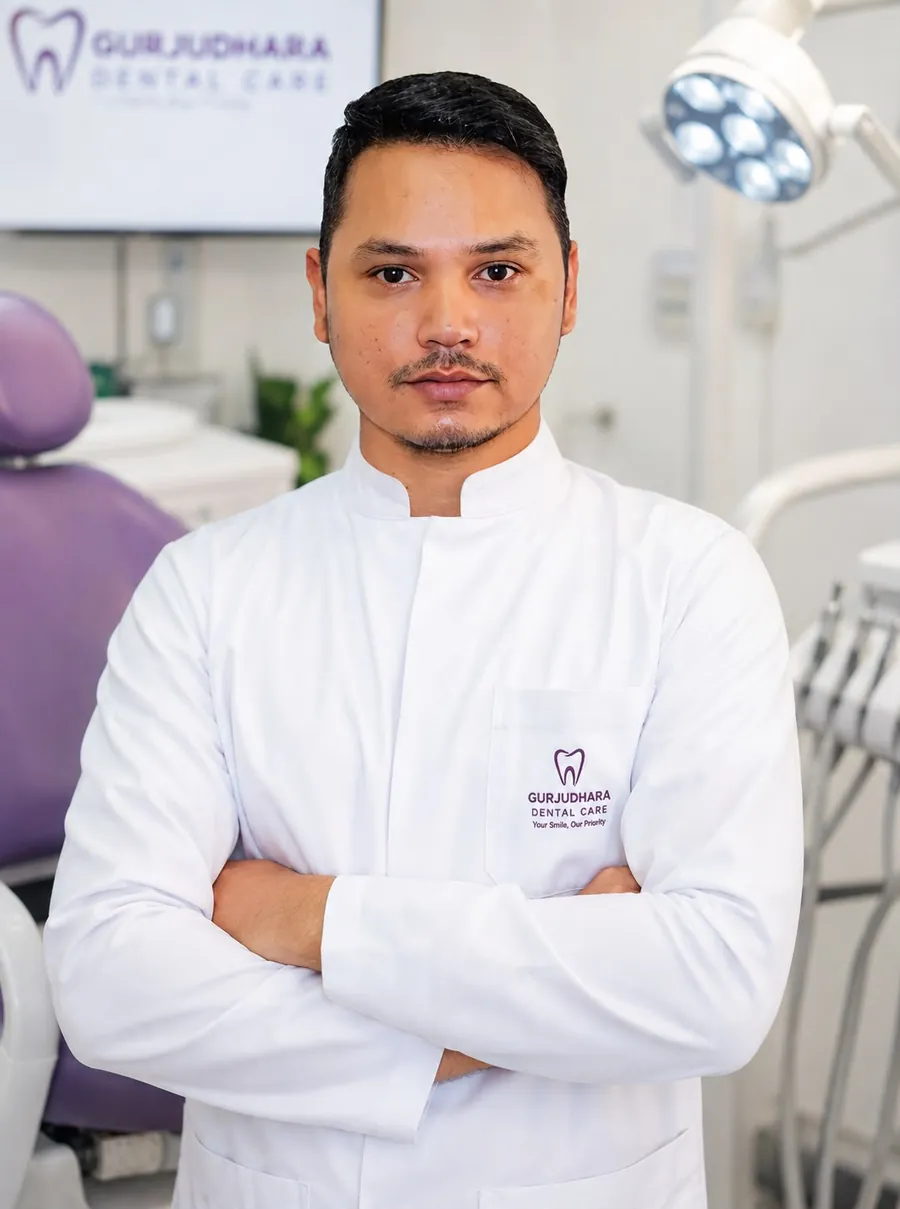
Dr. Binaya Bhandari
Owner and Dental Surgeon
General Dentist
BDS
NMC 20701

Dr. Nilishma Amatya
General Dentist
BDS
NMC 39418

Dr. Siddhant Thapa
Oral & Maxillofacial Surgeon
BDS, MDS
NMC 28374
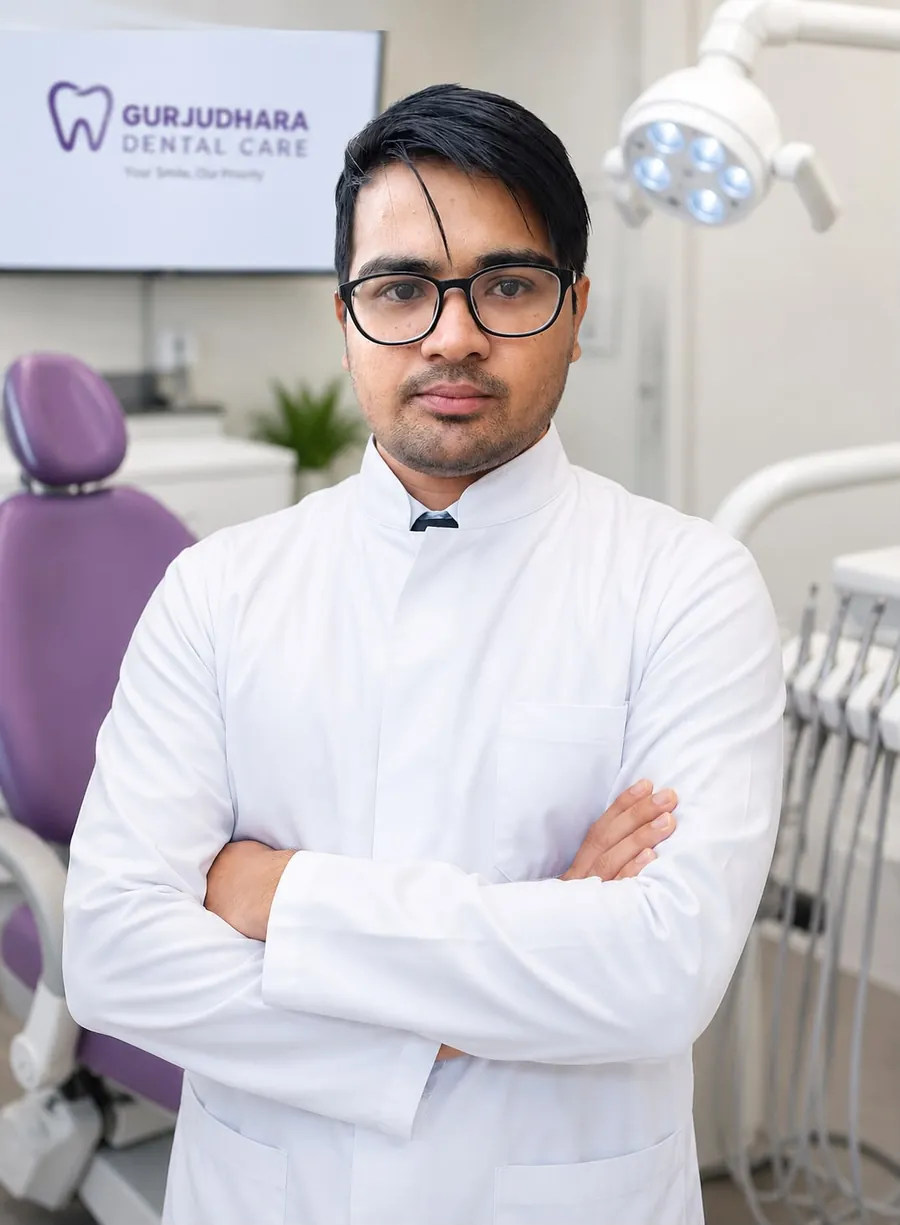
Dr. Bijay Karki
Oral & Maxillofacial Surgeon
BDS, MDS
NMC 20957
Thinking about Oral Cancer Screening?
Send us a message describing the problem. We will tell you whether this is the right treatment for it.
Check-up and consultation are free