
Treatment
Retainers and post-braces care
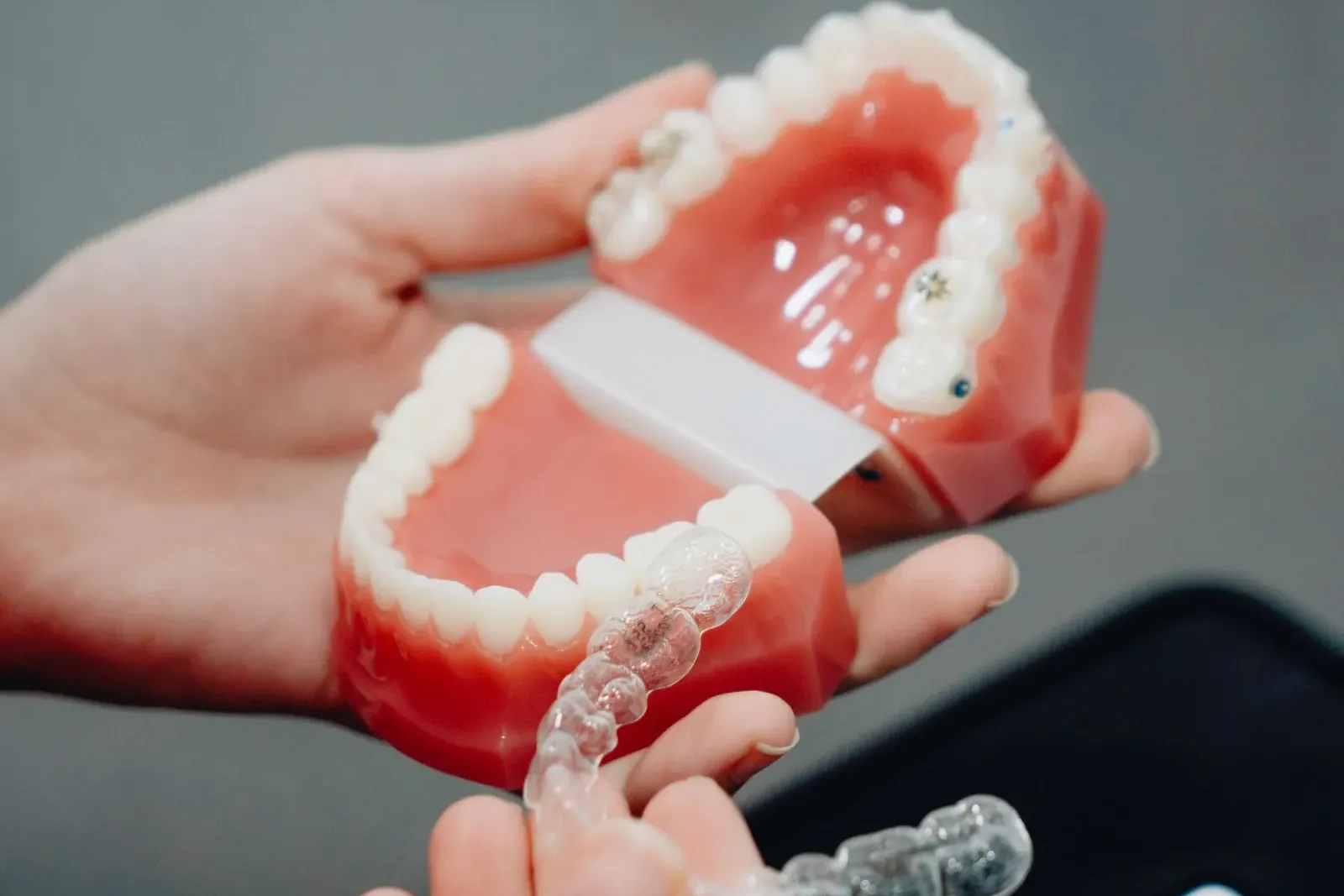
Teeth remember where they came from. The fibres and bone around a tooth that has been moved take far longer to stabilise than the movement itself took, which is why teeth drift back towards their old positions if nothing holds them. A retainer is what holds the result: removable, worn at night, or bonded as a thin wire behind the front teeth where it cannot be seen or forgotten. Skipping retainers is the single most common reason people end up needing orthodontic treatment twice. Wear is usually full-time for a short initial period and then nights only, but the honest answer to how long is indefinitely, at reducing frequency. Retainers also wear out, get lost and warp if cleaned in hot water, so replacing one promptly matters more than most people realise.
Medically reviewed by Dr. Binaya Bhandari, Owner and Dental Surgeon, NMC 20701. Last updated .
When do you need this treatment?
- Your braces or aligner treatment has just finished
- An old retainer has broken or no longer fits
- Teeth have started to drift back since treatment
- You have lost your retainer
What happens during your visit?
- 1Impressions taken as soon as the braces come off
- 2Fitting of a removable or bonded retainer
- 3Instructions on how long each day to wear it, and for how many years
- 4Periodic checks that the retainer still fits and the teeth have held
What happens if you leave it untreated?
Teeth begin drifting within weeks of treatment finishing, and the movement is fastest in the first months. By the time the change is obvious in the mirror, a retainer will no longer fit, and correcting it means a second course of orthodontic treatment.
What is recovery like?
No recovery. Expect a few days of altered speech with a new removable retainer and some pressure for the first nights. A retainer that suddenly feels tight after a gap in wear is a warning that teeth have already moved, so get it checked rather than forcing it.
General guidance only. Your own recovery depends on your case, and the dentist treating you will tell you what to expect.
Questions you might have
Retainers & Post-braces Care
How long do I have to wear a retainer?
Realistically, indefinitely, at reducing frequency. Full-time wear for an initial period, then nights only, then a few nights a week long term. Teeth continue to shift slowly throughout life, so retention is maintenance rather than a fixed course that finishes.
My retainer feels tight after not wearing it. Should I force it in?
No. Tightness means the teeth have already moved. Forcing it can hurt the teeth or break the retainer. Get it checked, as it may just need adjusting, or a new one may be needed before more movement happens.
Fixed or removable retainer?
A bonded wire behind the front teeth cannot be forgotten, which is its main advantage, but it needs careful flossing and can debond without you noticing. Removable retainers are easier to clean but depend on you wearing them. Many people are given both.
Who does this
The 2 dentists who handle this treatment
All Nepal Medical Council registered. Call ahead to confirm which of them is in on the day you want to come.

Dr. Anuha Gautam
Orthodontist
BDS, MDS
NMC 22244

Dr. Bishow Prasad Thakur
Orthodontist
BDS, MDS
NMC 13379
Thinking about Retainers & Post-braces Care?
Send us a message describing the problem. We will tell you whether this is the right treatment for it.
Check-up and consultation are free