
Treatment
TMJ and jaw pain treatment
The temporomandibular joint is the hinge in front of each ear, and it is the most used joint in the body. When it is inflamed, or the bite is loading it unevenly, the result is clicking, pain around the ear and temple, restricted opening, or the jaw catching and locking. Assessment starts with finding the cause rather than treating the symptom, because the same complaint can come from the muscles, the joint itself, the way the teeth meet, or a grinding habit, and those need different answers. Conservative treatment resolves the majority of cases: a splint, jaw exercises, soft diet during flare-ups, heat, and dealing with clenching. Irreversible treatment such as adjusting the teeth or surgery is a last resort and should follow a clear diagnosis, not a guess.
Medically reviewed by Dr. Binaya Bhandari, Owner and Dental Surgeon, NMC 20701. Last updated .

When do you need this treatment?
- Clicking or grating when you open or close your mouth
- Pain in front of the ear, the temple or the side of the jaw
- The jaw locks open or shut, even briefly
- You cannot open as wide as you used to
What happens during your visit?
- 1Examination of the joint, the muscles and the way your teeth meet
- 2Imaging where the joint itself needs to be seen
- 3Conservative treatment first: a splint (a custom guard you wear over your teeth), exercises, and habit changes
- 4Referral or surgical assessment only where conservative treatment does not settle it
What happens if you leave it untreated?
Many episodes settle on their own. Persistent joint problems can become harder to treat over time, and long-term restricted opening or a jaw that locks repeatedly is worth assessing rather than working around, particularly if it is limiting what you can eat.
What is recovery like?
Conservative treatment is measured in weeks rather than days, and improvement is usually gradual rather than sudden. Soft food and avoiding wide opening, chewing gum and hard foods during a flare-up speeds it up considerably. Splint therapy is typically reviewed over a few months.
General guidance only. Your own recovery depends on your case, and the dentist treating you will tell you what to expect.
Questions you might have
TMJ & Jaw Pain Treatment
Is jaw clicking on its own a problem?
Not necessarily. Painless clicking that does not limit opening is common and often needs no treatment. It is worth assessing when it comes with pain, when the jaw catches or locks, or when your opening has noticeably reduced.
Does TMJ pain need surgery?
Rarely. The large majority of cases improve with conservative measures: a splint, exercises, heat, soft diet and managing clenching. Surgery is a last resort reserved for specific structural problems within the joint, after a clear diagnosis.
Can stress cause jaw pain?
Indirectly, yes, and commonly. Stress drives clenching and grinding, which overloads the jaw muscles and the joint. That is why treatment often addresses the habit and sleep alongside anything done to the bite itself.
Who does this
The 2 dentists who handle this treatment
All Nepal Medical Council registered. Call ahead to confirm which of them is in on the day you want to come.

Dr. Siddhant Thapa
Oral & Maxillofacial Surgeon
BDS, MDS
NMC 28374
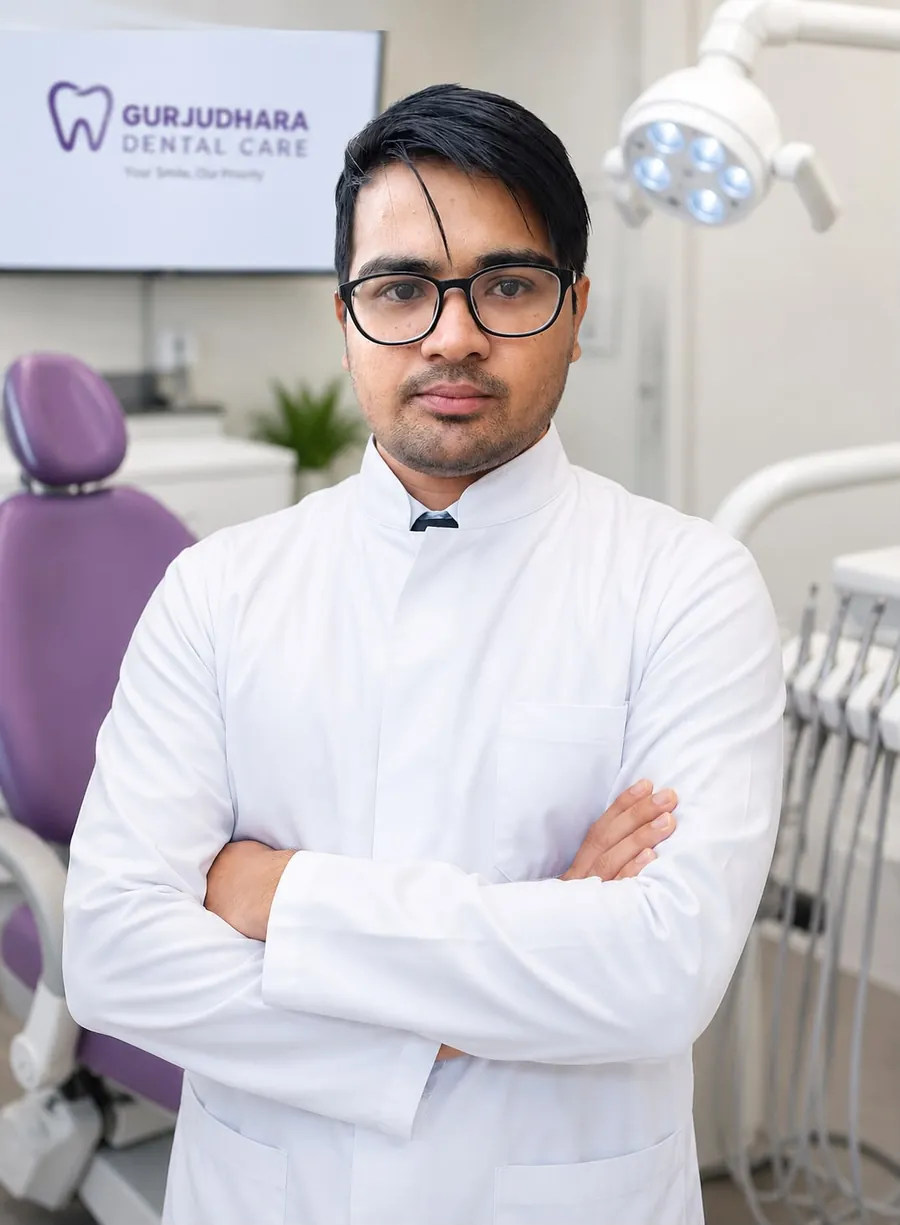
Dr. Bijay Karki
Oral & Maxillofacial Surgeon
BDS, MDS
NMC 20957
Thinking about TMJ & Jaw Pain Treatment?
Send us a message describing the problem. We will tell you whether this is the right treatment for it.
Check-up and consultation are free